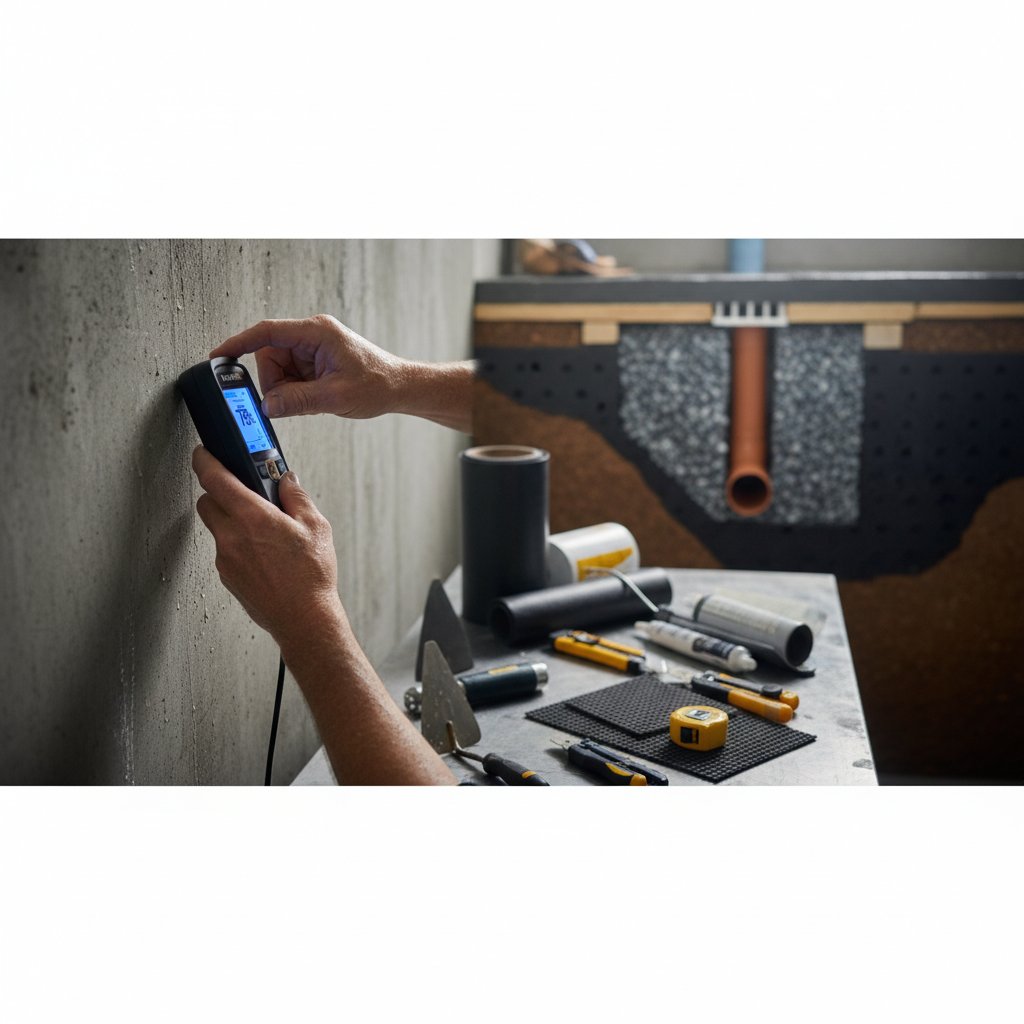
Find answers to common questions about basement and cellar waterproofing in Singapore's humid tropical environment. Our team at Cleansteadcore has compiled expert insights to help you make informed decisions.
Singapore experiences annual rainfall exceeding 2,400mm, distributed throughout the year with no distinct dry season. This constant moisture, combined with 80-90% relative humidity, creates persistent hydrostatic pressure against basement walls and floors. Without adequate protection, water infiltration leads to structural damage, mold growth within 24-48 hours, and compromised foundation integrity.
The tropical heat accelerates deterioration of waterproofing materials, while seasonal monsoons intensify water table levels. Properties in areas like Bukit Timah, Orchard, and East Coast face additional challenges from varying soil compositions and drainage patterns. Professional waterproofing becomes essential rather than optional, protecting your investment and ensuring safe, usable basement spaces year-round.
For Singapore's climate, we recommend cementitious waterproofing compounds mixed with crystalline additives, which penetrate concrete pores and form permanent water-resistant crystals. These withstand temperatures from 25-35°C without degradation. Polymer-modified bitumen membranes provide excellent flexibility during thermal expansion, while EPDM rubber membranes resist UV damage and maintain elasticity for 25+ years.
Liquid-applied polyurethane membranes create seamless barriers ideal for complex basement geometries. For below-grade applications, bentonite clay panels offer self-healing properties when exposed to water. We avoid PVC-based products that become brittle in high heat. Each material selection depends on your specific basement configuration, water table depth, and whether you're addressing new construction or renovation of existing structures.
Properly installed systems using quality materials last 15-30 years in tropical conditions, though this varies by method and maintenance. Cementitious systems with crystalline technology can last 20-25 years, as the crystals continue forming throughout the concrete's life. Membrane systems like EPDM or TPO typically provide 20-30 years of protection when installed correctly with proper drainage.
Factors affecting longevity include installation quality, substrate preparation, drainage system functionality, and regular maintenance. Annual inspections help identify minor issues before they become major problems. In Singapore's climate, external factors like root intrusion from tropical vegetation, ground movement during heavy rains, and building settlement require monitoring. We provide warranties ranging from 10-15 years depending on the system, with documented maintenance extending coverage periods.
Exterior waterproofing involves excavating around the foundation, cleaning walls, applying membrane barriers, and installing drainage systems before backfilling. This prevents water from entering walls and is most effective for new construction or major renovations. Costs range from SGD 150-300 per linear meter, but it addresses problems at their source.
Interior waterproofing manages water that has already penetrated, using sealants, drainage channels, and sump pumps to redirect moisture. This costs SGD 80-150 per square meter and works well for existing basements where excavation is impractical. In Singapore, we often combine both approaches: exterior protection for walls accessible during construction, and interior systems for ongoing moisture management. The choice depends on your building's age, accessibility, budget, and severity of existing water issues.
Effective waterproofing significantly reduces mold risk by eliminating the moisture that fungi require to grow. However, complete prevention requires a multi-layered approach. Our systems include vapor barriers, dehumidification provisions, and proper ventilation design. In Singapore's 80%+ humidity environment, even waterproofed spaces need air circulation to maintain relative humidity below 60%, the threshold for mold growth.
We recommend installing mechanical ventilation systems with dehumidifiers rated for 40-60 pints per day depending on basement size. Anti-microbial coatings on walls and ceilings provide additional protection. Regular maintenance includes checking for condensation on cold water pipes, ensuring drainage systems function properly, and monitoring humidity levels with digital hygrometers. Properties in Tanglin, Novena, and Marine Parade often benefit from enhanced ventilation due to proximity to water bodies and higher ambient humidity levels.
Common indicators include visible water stains, efflorescence (white crystalline deposits), musty odors, and peeling paint. Dampness that worsens during rain, puddles on floors, and rust on metal fixtures signal active water infiltration. Cracks wider than 3mm in walls or floors, especially horizontal or stair-step patterns, indicate structural stress from hydrostatic pressure.
In tropical climates, look for condensation on walls during monsoon seasons, increased insect activity (termites and silverfish thrive in damp environments), and warping of wooden fixtures or storage items. Mold growth appears as black, green, or white patches, often in corners where air circulation is limited. If you notice any of these signs, schedule an inspection promptly. Early intervention prevents extensive damage and reduces repair costs by 60-70% compared to waiting until structural issues develop.
Costs vary based on basement size, chosen method, and problem severity. Interior sealant applications range from SGD 3,000-8,000 for 50 square meters, including surface preparation and two-coat systems. Comprehensive interior drainage with sump pump installation costs SGD 8,000-15,000. Exterior waterproofing, requiring excavation and membrane application, ranges from SGD 15,000-35,000 for typical residential basements.
Additional factors affecting price include soil conditions, depth of excavation required, accessibility constraints in built-up areas like Tiong Bahru or Holland Village, and whether structural repairs are needed before waterproofing. We provide detailed quotes after site inspection, breaking down material costs (typically 40% of total), labor (45%), and equipment rental (15%). Most projects complete within 5-10 working days for interior work, 2-3 weeks for exterior applications. Financing options are available for projects exceeding SGD 10,000.
In Singapore's tropical climate, preventive waterproofing is essential for all below-grade spaces, regardless of current condition. The question isn't whether water infiltration will occur, but when. New construction should incorporate waterproofing during building phases, when access is easiest and costs are 40-50% lower than retrofitting. Even basements showing no current issues benefit from proactive protection, as Singapore's water table can rise significantly during extended monsoon periods.
Properties built before 2000 often lack modern waterproofing standards and require assessment. Buildings in flood-prone areas designated by PUB (Public Utilities Board), including parts of Geylang, Rochor, and Kallang, need enhanced protection meeting updated building codes. Consider waterproofing when renovating, as it's cost-effective to address during other construction work. The investment protects property value, prevents health hazards from mold, and ensures usable space. Waiting for problems to appear typically results in emergency repairs costing 2-3 times more than planned preventive work.
Founded in 2015, Cleansteadcore emerged from a clear need in Singapore's construction sector. Our founders, specialists with 20 years of combined experience in building protection, recognized that tropical environments demand specific waterproofing approaches. High humidity levels reaching 80-95%, intense rainfall exceeding 2,400mm annually, and constant temperature fluctuations create conditions where standard waterproofing fails within 3-5 years.
We established our practice specifically to address these challenges. Our team includes 8 certified waterproofing specialists trained in tropical climate solutions, using materials tested for Singapore's environmental conditions. Each project begins with soil analysis and water table assessment, as groundwater levels in areas like Bukit Timah and Tanglin often rise during monsoon seasons.
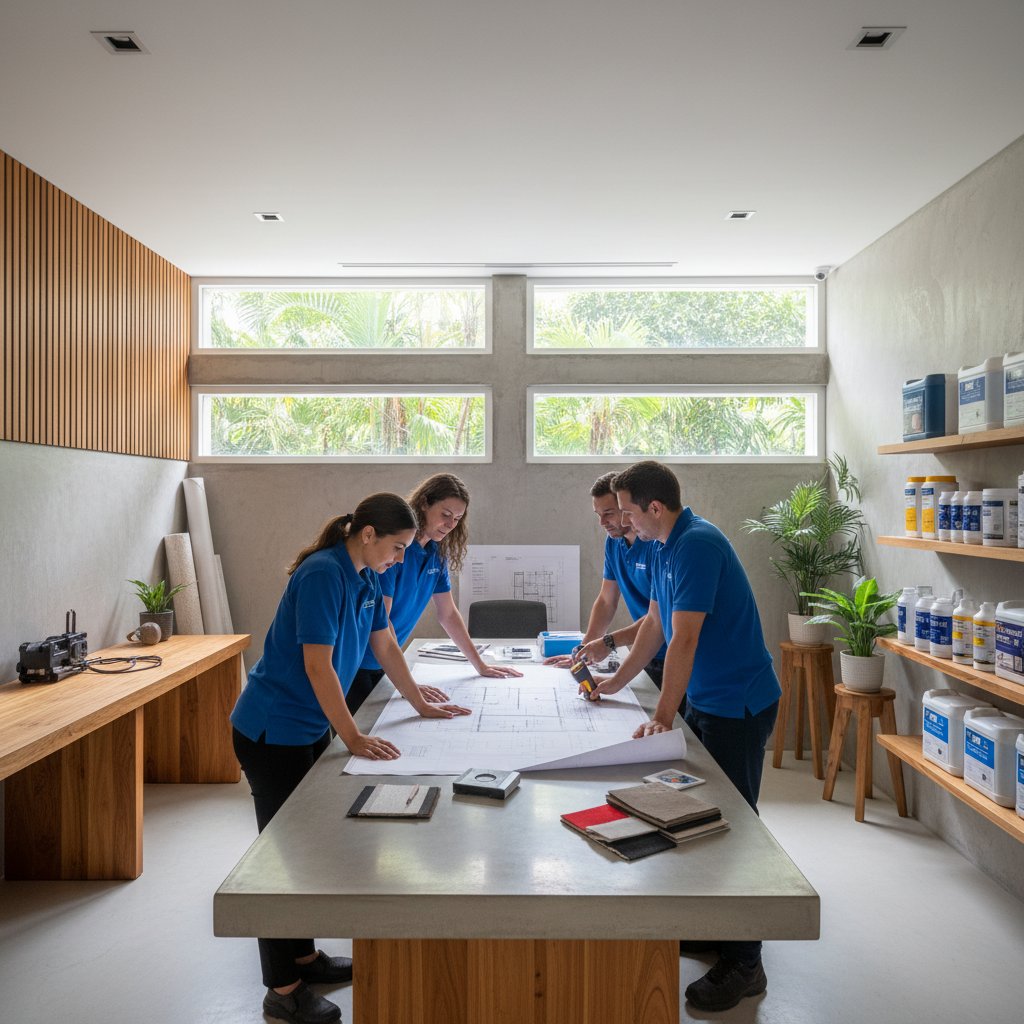
We protect below-ground structures from water damage using proven methods and materials rated for tropical conditions. Our work prevents mold growth, structural deterioration, and indoor air quality issues that affect 40% of basements in Singapore's humid climate. Every installation includes a detailed moisture management plan and post-installation testing to verify membrane integrity.
To establish Cleansteadcore as the leading provider of basement waterproofing solutions across Southeast Asia. We aim to expand our services to neighboring tropical regions while maintaining our focus on technical excellence. By 2026, we plan to open training facilities for waterproofing specialists, sharing knowledge about moisture control in high-humidity environments.
Our team has completed 340+ basement waterproofing projects in Singapore, from residential properties in Sentosa Cove to commercial developments in Marina Bay. We work with crystalline waterproofing systems, polyurethane membranes, and bentonite clay barriers—materials that maintain effectiveness in temperatures ranging from 24°C to 34°C. Each specialist undergoes annual certification updates on new waterproofing technologies and application techniques.
We follow manufacturer specifications exactly, using calibrated equipment for membrane thickness and conducting mandatory moisture tests before and after installation. Our quality control process includes infrared scanning to detect potential weak points.
All products we use carry certifications for tropical applications, including resistance to fungal growth and UV degradation. We source from suppliers with proven track records in Southeast Asian markets, ensuring material availability for future repairs.
We provide detailed documentation showing water table levels, soil composition analysis, and drainage system layouts. Clients receive maintenance schedules specific to their property, including inspection intervals and early warning signs of water intrusion.
Our team attends quarterly workshops on waterproofing technology and participates in industry forums focused on tropical construction challenges. We track performance data from completed projects to refine our methods and material recommendations.