Waterproofing basements and cellars in tropical climates: Best materials and methods in 2024: what's changed and what works
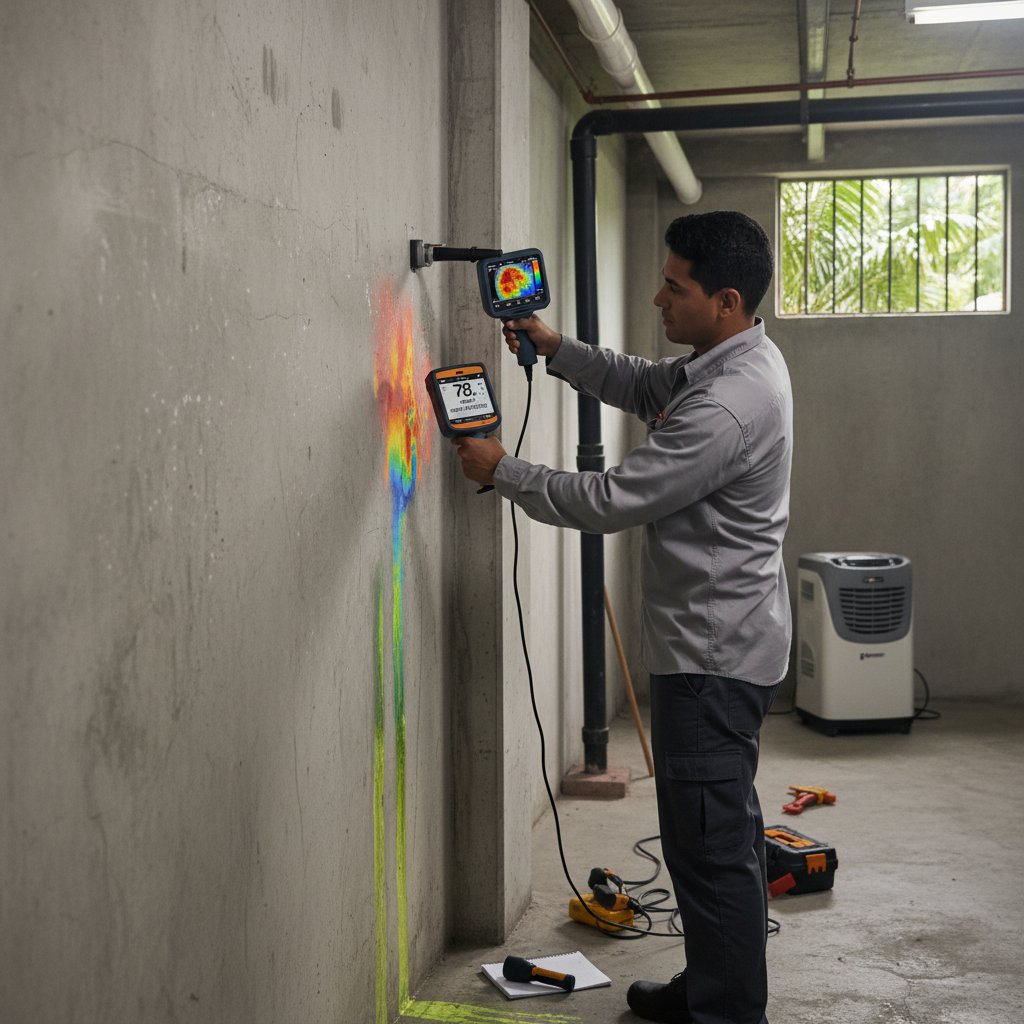
Tropical humidity and basement waterproofing have about as much chemistry as oil and water. After spending fifteen years helping homeowners in Southeast Asia and the Caribbean keep their below-grade spaces dry, I've watched methods evolve from slapping on some tar and hoping for the best to sophisticated systems that actually work year-round. 2024 has brought some game-changing materials to the table, and honestly, it's about time.
Here's what's actually working right now for keeping water where it belongs—outside your basement.
1. Crystalline Waterproofing: The Chemistry That Finally Makes Sense
Forget everything you knew about crystalline products from five years ago. The new generation compounds have cracked the tropical code. These materials create actual crystals inside concrete pores when they contact moisture, essentially turning your concrete into its own waterproof barrier. Brands like Xypex and Penetron have reformulated their products to activate faster in high-humidity environments, addressing the main complaint that they took forever to cure in tropical heat.
I watched a contractor in Manila apply this to a century-old Spanish colonial basement last year. Within 72 hours—even during monsoon season—the walls had self-sealed hairline cracks up to 0.5mm wide. The material costs around $8-12 per square meter, which sounds steep until you realize it penetrates up to 90cm into concrete and lasts the lifetime of the structure. No reapplication needed in five years like the old polymer coatings.
2. Bentonite Clay Panels: Old Tech, New Application Methods
Bentonite's been around forever, but 2024 installation techniques have transformed it from a messy nightmare into something actually manageable. The clay swells when wet, creating an impermeable barrier that self-heals if the concrete cracks. Modern panels now come with pre-attached geotextile fabric and overlap zones marked clearly, cutting installation time by 60% compared to loose bentonite application.
The real breakthrough? Vertical application systems that work in tropical downpours. Contractors can now install these panels during wet season without the clay activating prematurely. A 2,000 square foot basement exterior in Singapore ran about $15,000 for materials and labor—pricey, but it's handling 3,000mm of annual rainfall without breaking a sweat. The panels expand up to 15 times their dry volume when they hit water, which means they actually perform better in tropical climates than temperate ones.
3. Cavity Drain Membrane Systems: Embracing Water Instead of Fighting It
This approach flips conventional wisdom on its head. Instead of trying to keep every drop out, these dimpled plastic membranes let water through, then channel it down to drainage systems. The air gap prevents moisture from reaching interior walls while providing a clear path for water to escape.
Delta-MS and similar systems have added antimicrobial coatings specifically for tropical applications, preventing the mold growth that plagued earlier versions. Installation runs $6-9 per square meter, and the system handles hydrostatic pressure up to 60 meters of water head. A basement renovation in Kuala Lumpur using this method stayed bone-dry through last year's record flooding while neighboring properties with traditional waterproofing had water seeping through at the cove joint.
4. Polyurethane Injection: The Fix That Actually Fixes
When cracks appear—and in tropical climates with shifting soil and thermal expansion, they will—polyurethane injection has become the gold standard repair method. The foam expands 20-30 times its liquid volume, filling voids and creating a flexible, permanent seal that moves with the concrete.
New hydrophobic formulations don't just push water out during injection; they maintain their seal even when constantly wet. A single crack repair typically costs $400-800 depending on length and depth, but it works immediately. I've seen repairs hold up in basements where the water table sits just 30cm below the floor slab year-round. The foam remains flexible at temperatures from -40°C to 90°C, so tropical heat won't degrade it like old epoxy repairs.
5. Vapor Barrier Flooring Systems: The Layer Nobody Talks About
Everyone obsesses over walls and forgets that moisture vapor rises through concrete slabs like a ghost through walls. Modern vapor barriers using cross-laminated polyethylene with adhesive overlaps have dropped moisture transmission rates to below 0.01 perms—essentially zero.
The 2024 upgrade? Self-sealing tape systems at seams that actually stick in humid conditions. Previous generations of tape would lift within months when humidity hit 80-90%. Now they're rated for continuous 95% relative humidity. At $2-4 per square meter, this might be the cheapest insurance policy you'll ever buy. A finished basement in Jakarta stayed at 45% relative humidity inside while outside conditions hovered at 85% for three straight months.
6. Smart Sump Pump Systems with Redundancy
Tropical storms knock out power. Your basement doesn't care. Modern sump systems now include battery backup that runs for 8-12 hours, plus cellular alerts when the backup kicks in. Some systems even have water-powered backup pumps that use municipal water pressure—no electricity needed.
A proper setup with primary, battery backup, and water-powered backup runs $1,800-2,500 installed. Expensive? Sure. But compare that to replacing flooded belongings or remediating mold. The smart monitoring catches problems before they become disasters—like when a primary pump failed during a storm in Phuket, but the homeowner got a text alert and had a plumber there within two hours.
The waterproofing game has matured beyond "apply this coating and pray." Modern materials work with tropical conditions instead of against them, and the ones that don't adapt simply fail. Your basement deserves better than hope and tar paper.